URL :

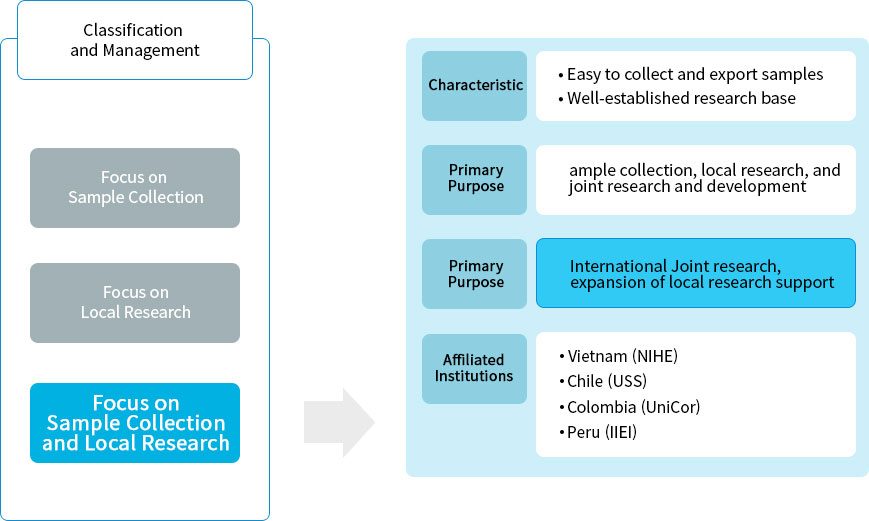
Focus on Sample Collection and Local Research

Network for Sample Collection & Local Research: Countries from Group C follow the Nagoya Protocol; therefore, samples can be collected and taken out of the country, too. The local research foundation is well established, so the various researches are actively underway. INID-K aims to support international collaborative research, expansion of local research, colleting samples, and utilizing local research infrastructure

Vietnam

(National Institute of Hygiene and Epidemiology, NIHE)

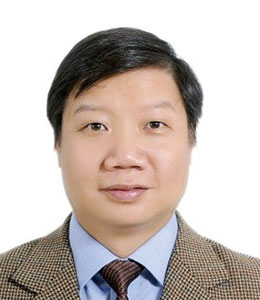
Tran Nhu Duong
Tran Nhu Duong
  • Affiliation: National Institute of Hygiene and Epidemiology (NIHE)
  • Position: Deputy Director
  • The National Institute of Hygiene and Epidemiology (NIHE) is Vietnam’s leading infectious disease research institute under the Ministry of Health, originating from the Hanoi Pasteur Institute established in 1926.
  • NIHE conducts research in epidemiology, microbiology, immunology, and molecular biology, and plays a key role in nationwide infectious disease surveillance and pathogen analysis. It also participates in global influenza surveillance by reporting circulating virus strains to the World Health Organization (WHO) and the Centers for Disease Control and Prevention (CDC).
  • As a national reference laboratory, NIHE collects and manages a wide range of viral pathogens and clinical specimens and actively collaborates with international partners in infectious disease research.


Chile

Universidad San Sebastián (USS)

Guillermo E. Valenzuela Nieto
  • Affiliation: Facultad de Ciencias para el Cuidado de la Salud (Healthcare Science Faculty), Universidad San Sebastián, Chile.
  • Position: Assistant Professor, Principal Investigator Biotechnology Exploration Laboratory (B4 group).
  • Universidad San Sebastián (USS) is a major Chilean university that conducts education and research through a network of medical schools and affiliated hospitals. It carries out clinically connected research in infectious diseases and public health, focusing on diagnosis, treatment, and patient management. Through collaboration with domestic and international partners, USS also contributes to strengthening clinical infectious disease research capacity in Latin America.

Colombia

Universidad de Córdoba (UniCor)

Salim Mattar
Salim Mattar
  • Affiliation: Universidad de Córdoba
  • Position: Professor
  • Universidad de Córdoba (UniCor) is a regional university in Colombia located near the Caribbean coast, with strong research capacity in infectious diseases associated with tropical and coastal environments. The university conducts community-based epidemiological and clinical research on mosquito-borne diseases such as dengue, malaria, and chikungunya. Through collaborations with Caribbean coastal countries and international partners, UniCor contributes to strengthening research and response capacity for tropical infectious diseases.

Peru

Instituto de Investigación en Enfermedades Infecciosas (IIEI)

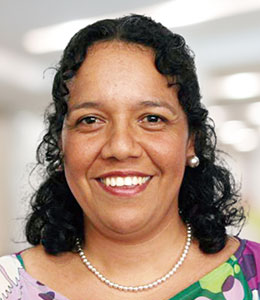
Juana del Valle Mendoza
  • Affiliation: Instituto de Investigación de Enfermedades Infecciosas
  • Position: Senior Researcher
  • Instituto de Investigación en Enfermedades Infecciosas (IIEI) is a non-profit research organization (NGO) in Peru that conducts field-based research on infectious diseases across diverse geographic environments. Its studies span from the Andean highlands to the Amazon tropical region, focusing on diseases such as malaria, tuberculosis, and dengue through epidemiological and clinical research. Through collaboration with local communities and international partners, IIEI contributes to strengthening infectious disease response capacity in vulnerable regions.